
Our Work
How the Julian Cho Society works alongside the Maya villages of southern Belize to secure their lands and rights and build the future they dream.
Five areas of work, one Maya future
For three decades the Maya people of southern Belize have worked, through their villages and their own institutions, to secure their lands and rights and to shape their own future. Their vision, The Future We Dream, describes “a peaceful, hardworking, self-determining people, rooted in our culture, open to the world and new technologies, living in community, and collectively stewarding the wellbeing of our people and lands.” JCS’s five areas of work follow that vision.
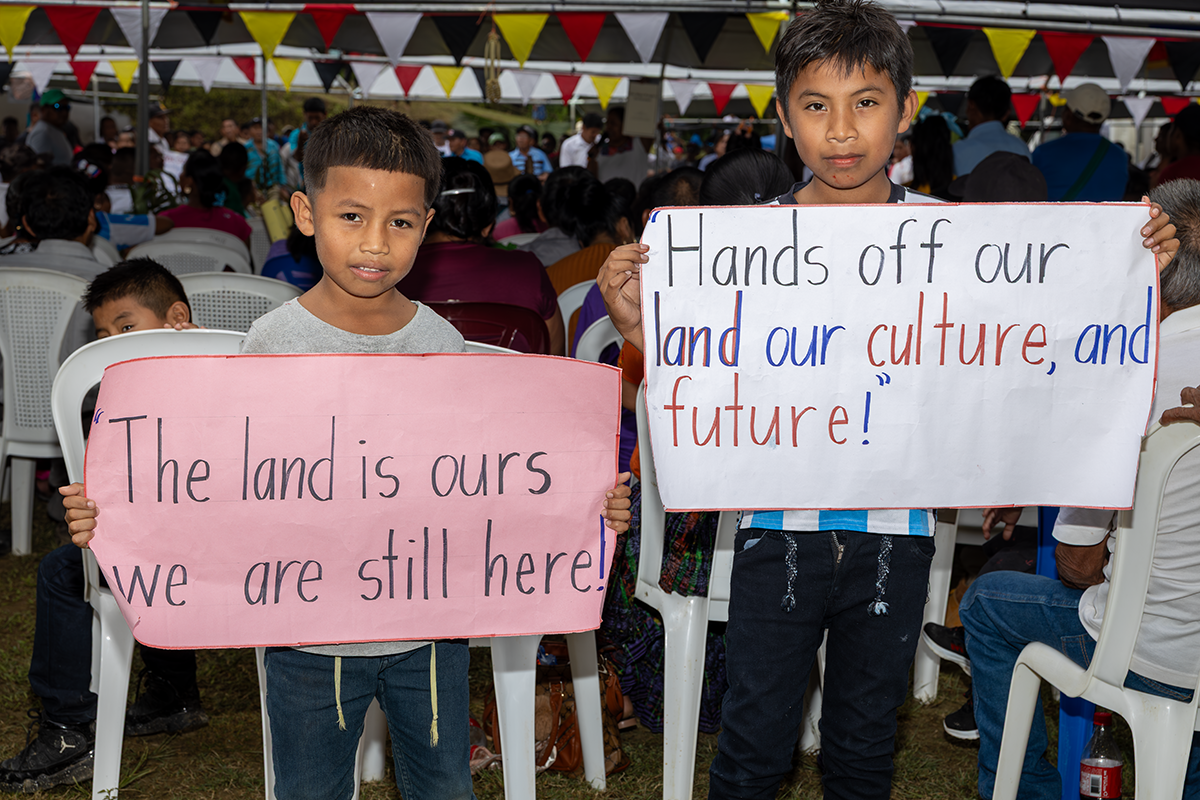
Rights and justice. The Maya people and their institutions carried their case from the Supreme Court of Belize to the Inter-American Commission on Human Rights and the Caribbean Court of Justice, whose 2015 Consent Order affirmed their rights to their lands and resources. Since then, the Maya people and the Government of Belize have worked through fifteen implementation milestones, from The Agreement to an Indigenous Peoples’ Ministry.
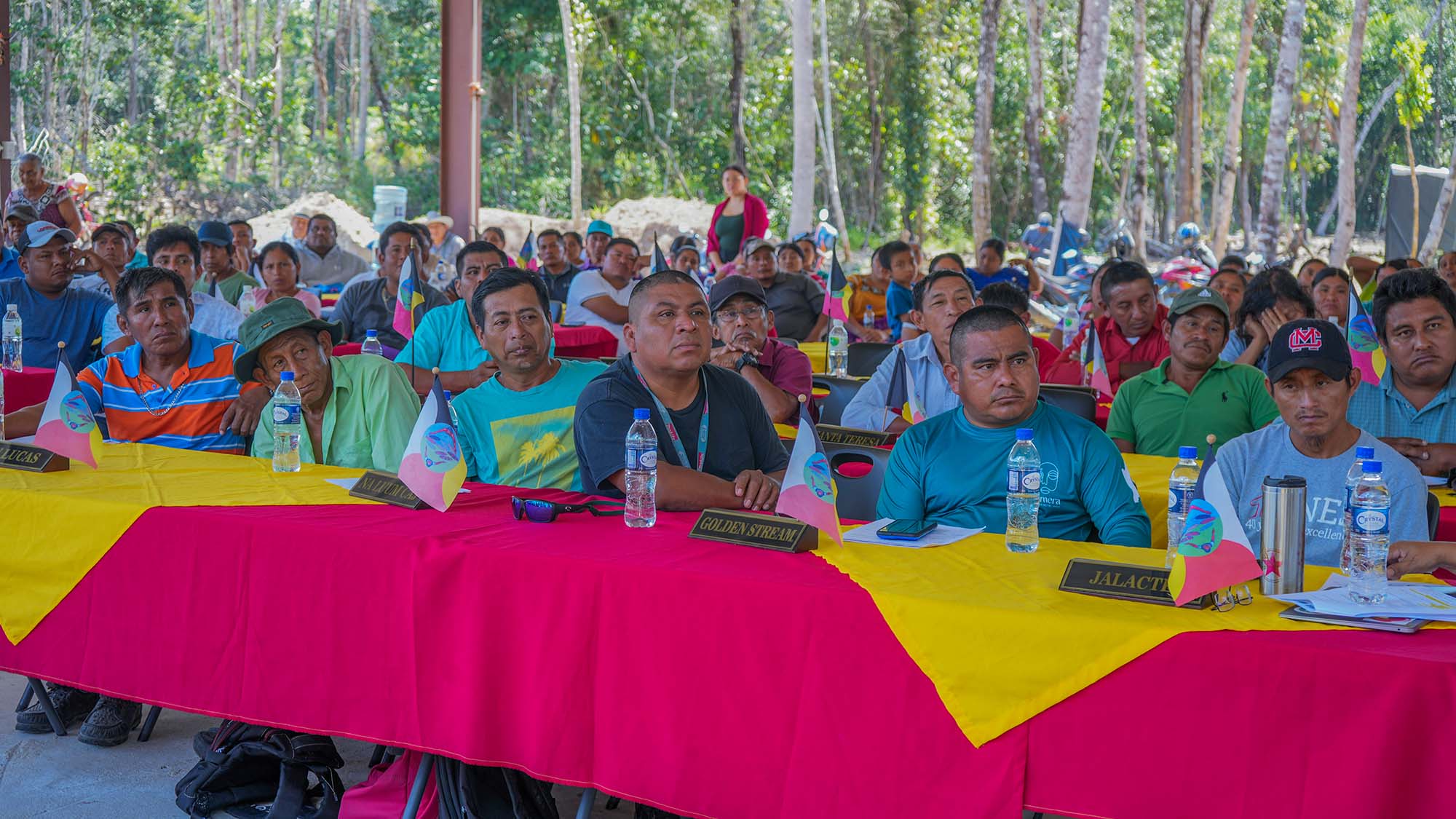
Land and governance. Every Maya village is governed through the Ab’ink, the village meeting, presided over by its alcalde, who manages communal lands, mediates disputes and maintains cultural customs. The Toledo Alcaldes Association brings the alcaldes together, and villages such as San Marcos are documenting their customary laws.
Mapping and knowledge. Building on the Maya Atlas produced in Julian Cho’s time, Maya villages are now identifying their lands, harmonising boundaries with their neighbours and preparing their own maps, with a mapping team that combines GIS technology and the villages’ knowledge of their lands.
Youth, culture and future generations. Rooted in Maya spirituality, identity and customary practices, JCS supports the next generation through scholarships and a youth and women leadership project that is building the next generation of Maya leaders.
Emerging climate leadership
Climate resilience is a growing part of JCS’s work, rooted in the Maya relationship with the land: the well-being of the people depends on the land, and the well-being of the land depends on its people.
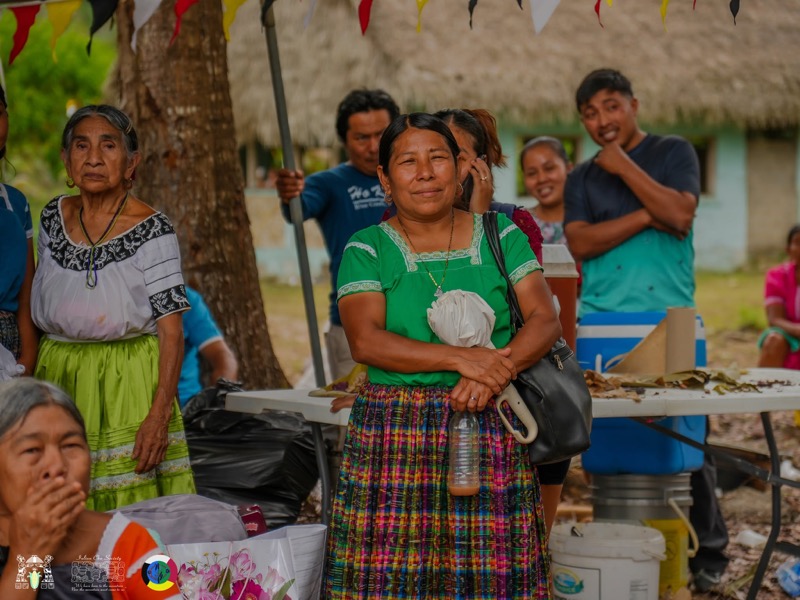
That leadership starts in the villages. Maya women of San Lucas and Corazon have received copal seedlings to begin regenerating their copal groves, San Lucas village is now connected to a potable water system, and a partnership with the Greening Belize Initiative has been announced.
Building on this work, JCS and its partners are preparing a Maya-led climate-resilience initiative. The initiative is in development and is being developed toward a funding proposal to the Green Climate Fund. It has not been approved for Green Climate Fund financing; we will share its progress here as each stage is confirmed.
Explore the five areas
 Indigenous Rights & JusticeChampioning Indigenous Peoples' rights in Belize, in the courts and beyond.
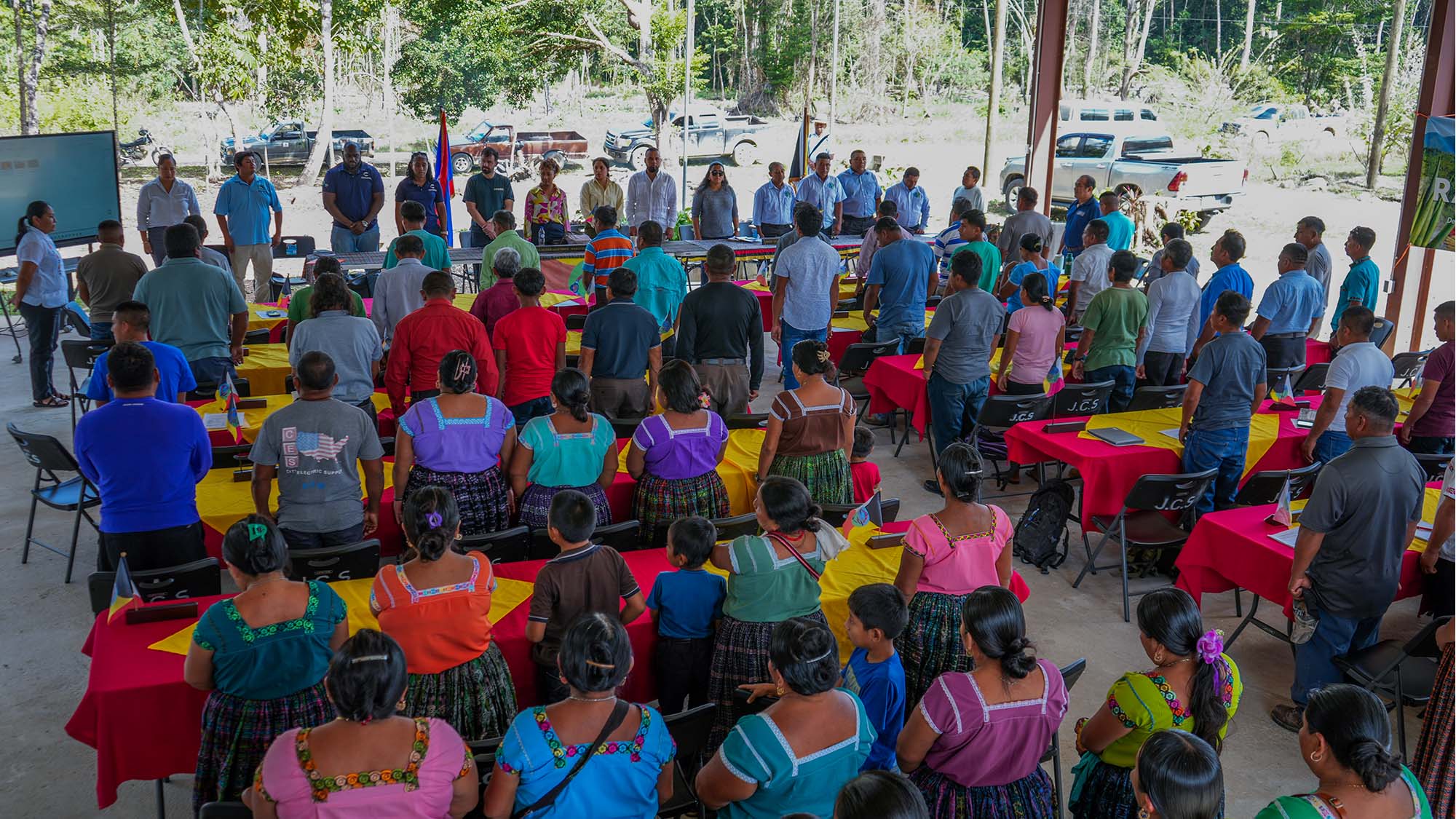 Maya Land & GovernanceSecuring Maya land tenure and strengthening the Alcalde system.From our strategic programme areas: Community dialogue and decision-making. Land security, living territories and mutual livelihood security.
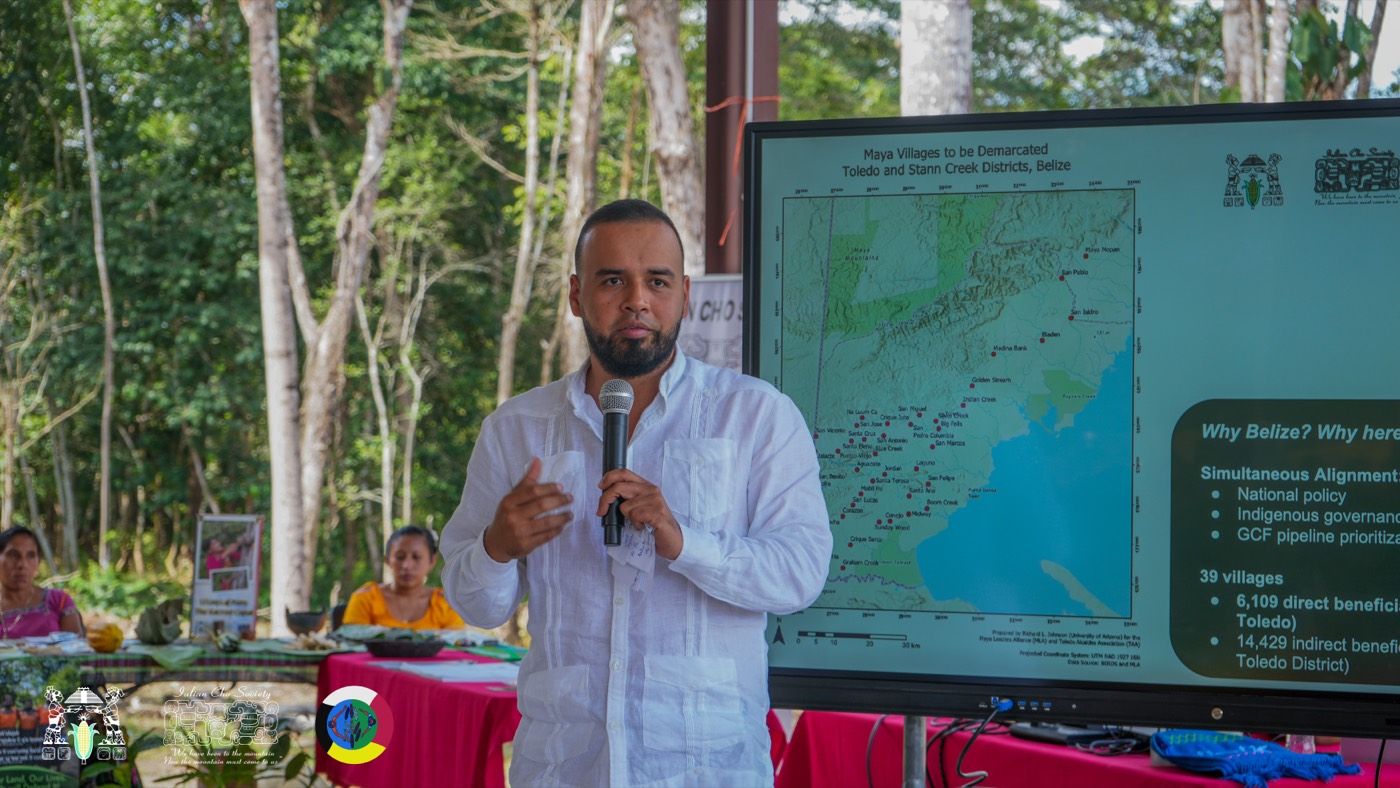 Mapping, Research & Indigenous KnowledgeCommunity mapping and boundary harmonisation, from the Maya Atlas to today.
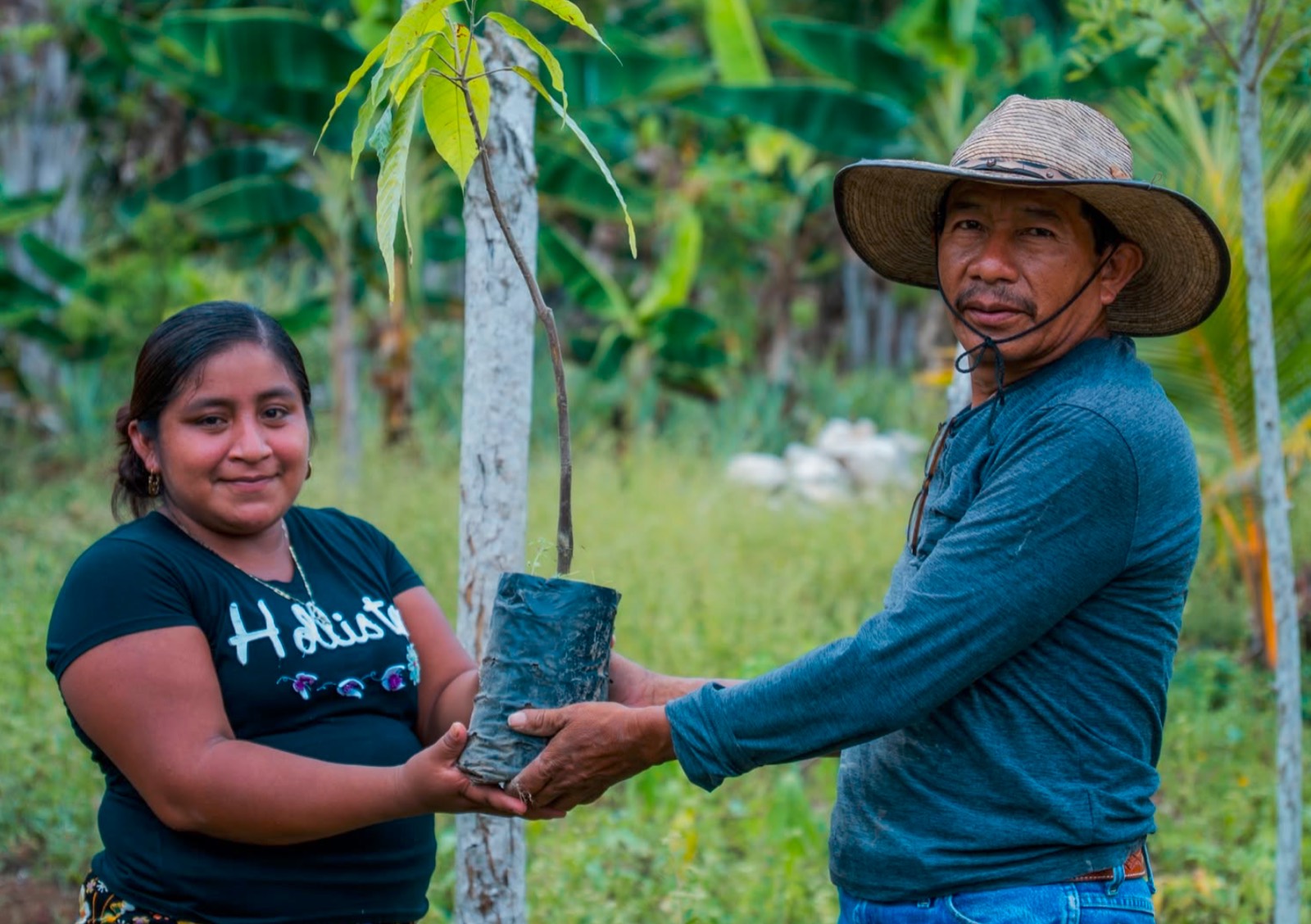 Climate Resilience & Sustainable Maya EconomiesCaring for forests, rivers and livelihoods, from copal and cacao to clean water.From our strategic programme areas: Land security, living territories and mutual livelihood security.
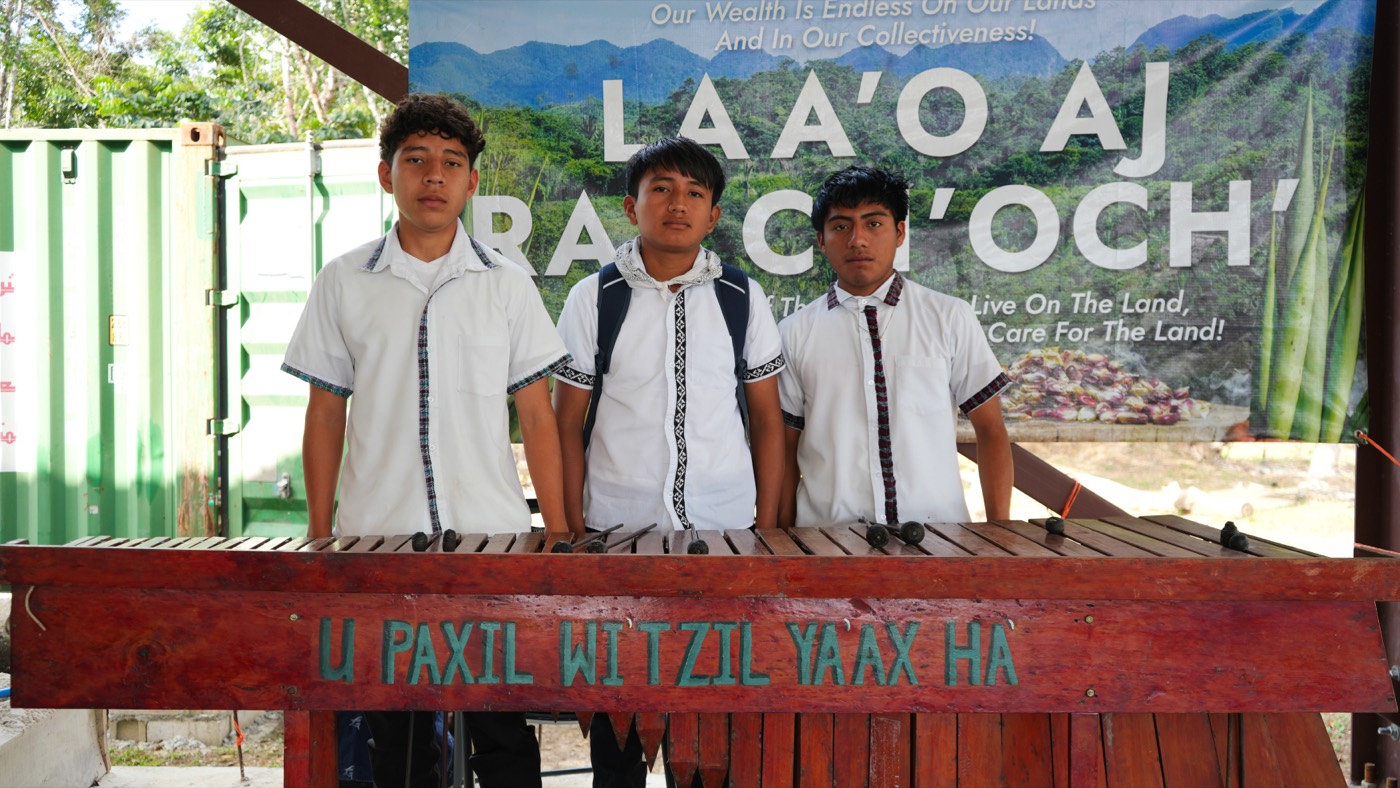 Youth, Culture & Future GenerationsMaya identity, language and spirituality, and the next generation of leaders.From our strategic programme areas: Spirituality, traditional knowledge, values and customary practices, and identity.