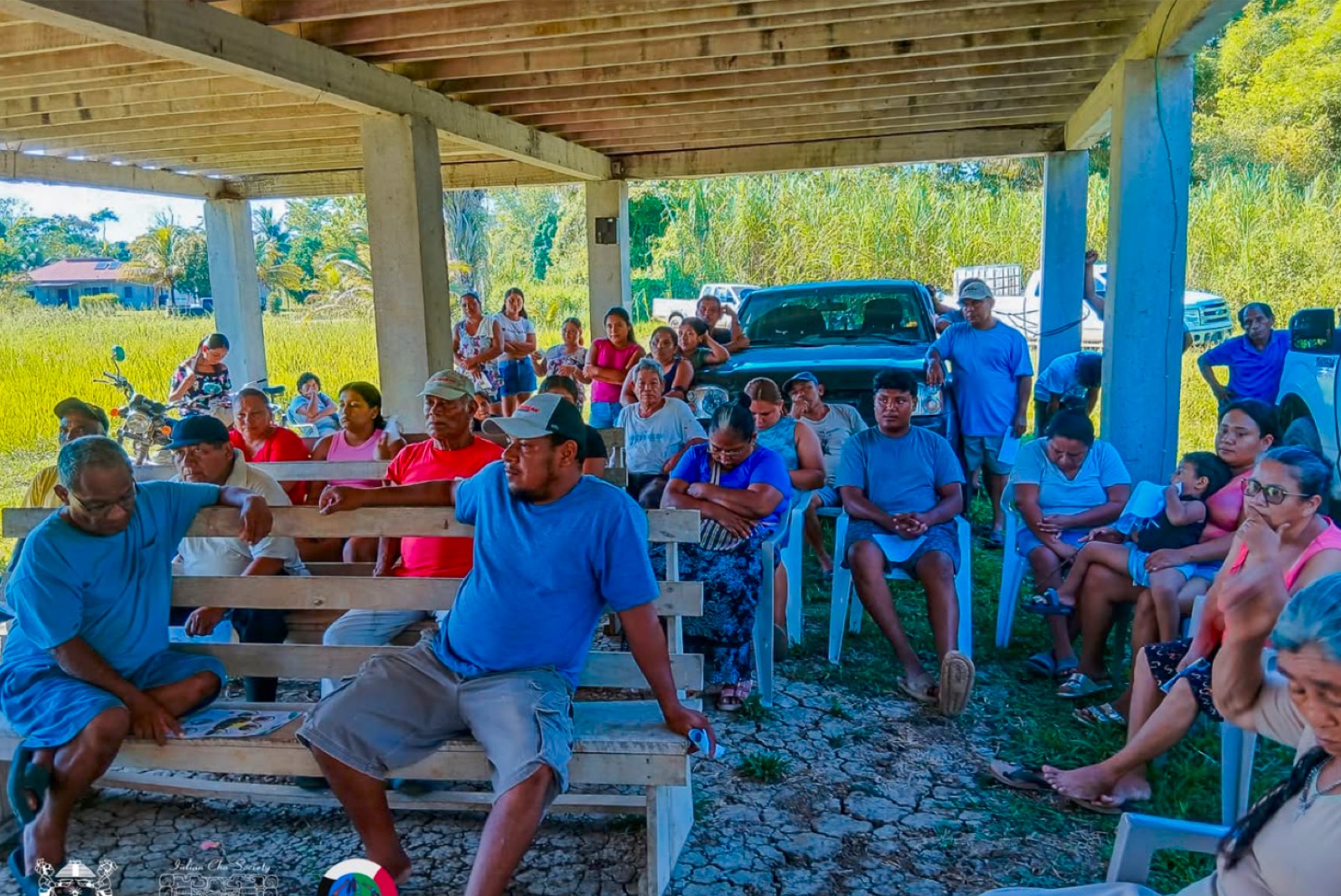
Auto-delimitation of village lands
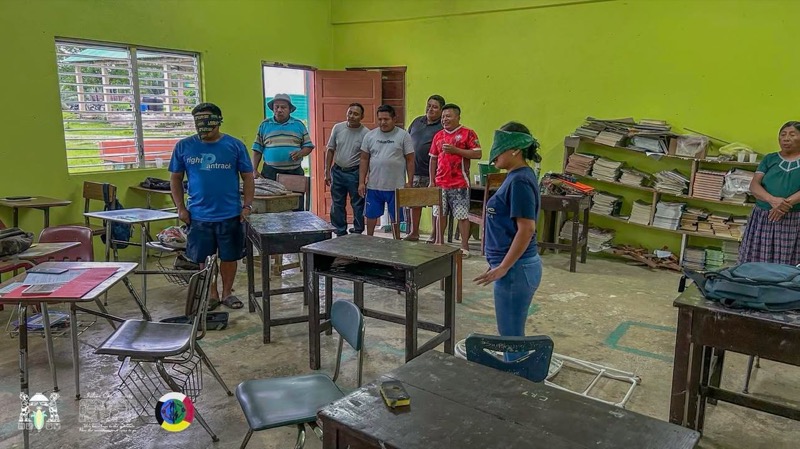
Maya villages are mapping and demarcating their own boundaries.
An increased awareness, understanding, valuing and confidence of Maya communities in the Maya governance system, which regards the community as maximum authority on local decision-making.
From JCS strategic programme area 2: Community dialogue and decision-making
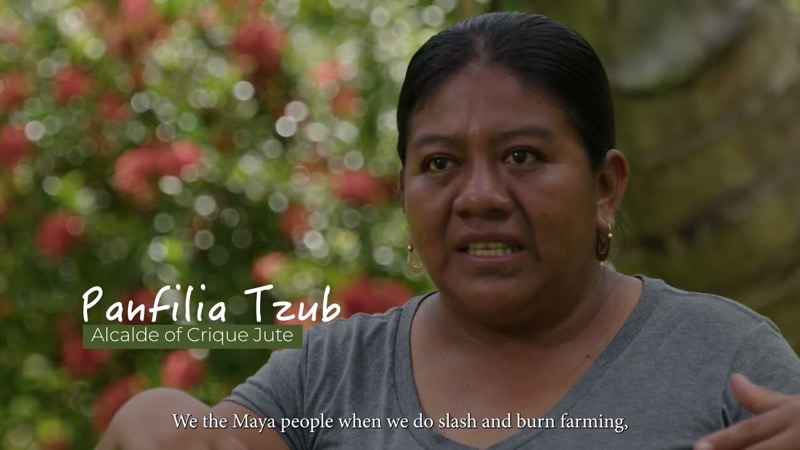
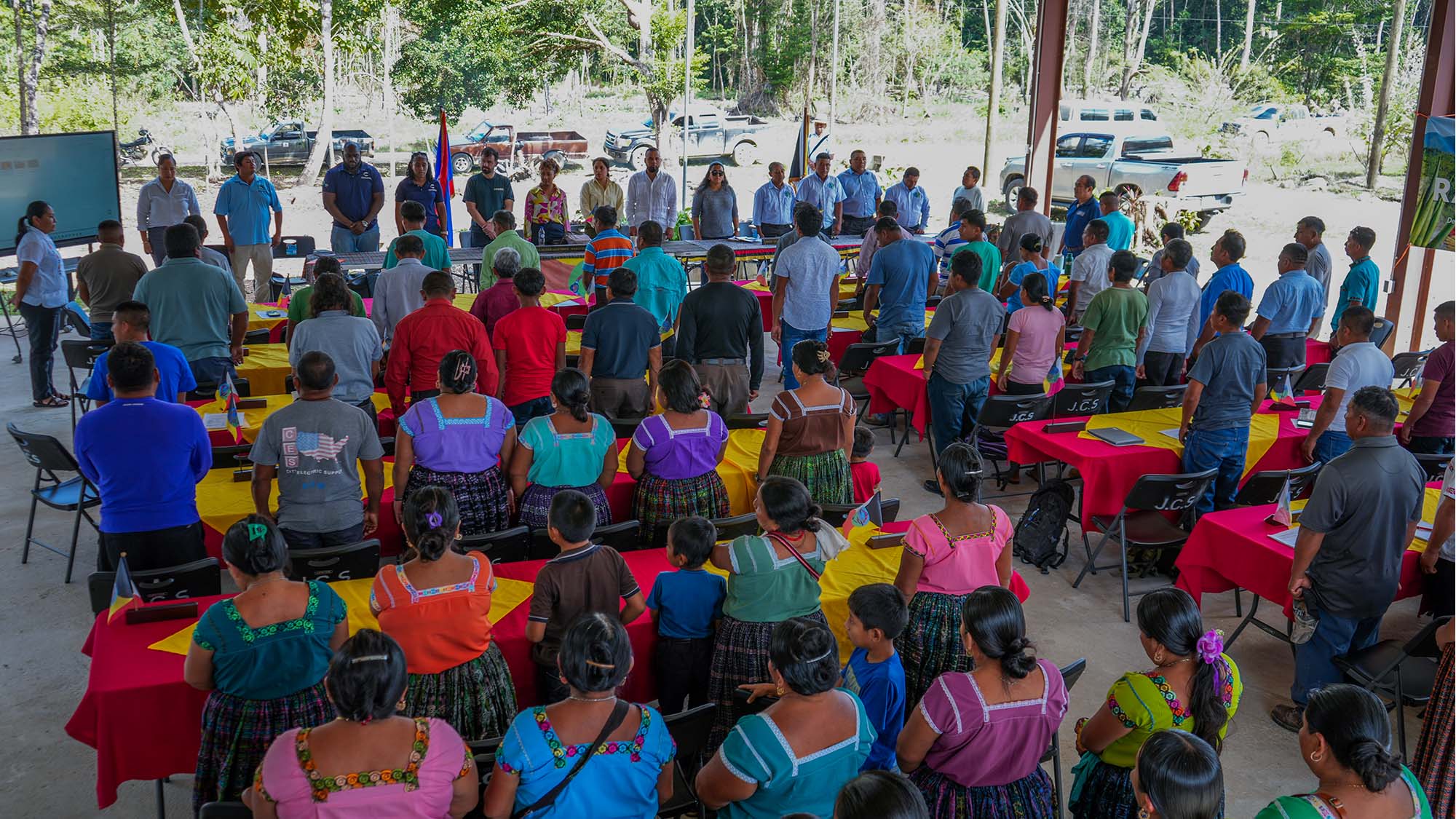
For the Maya villages, land and governance cannot be separated. Every village is governed through the Ab’ink, the village meeting, which is the fundamental authority of every Maya village, and through its alcalde, who presides over the meeting, manages communal lands, mediates disputes and maintains cultural customs.
JCS’s strategic programme areas commit to strengthening this system: helping community members, women and men, young and old, and their elected leaders to understand and value Maya governance and take up their role in community decisions, and working so that the customary tenure of Maya ancestral lands is better legally secured and protected.
Villages are leading the way. San Marcos village is documenting its customary laws, and Maya villages are mapping and demarcating their own boundaries, laying the foundation for secure title to their lands.
80
Alcaldes
Traditional village leaders in the assembly
How we count: we only publish a figure after JCS and the Maya institutions have confirmed it.
Maya community members, women and men, young and old, as well as their elected leaders understand and value the Maya governance system and confidently take up their role and space for dialogue and listening to arrive at community decisions on matters related to community affairs and resources.
The health, integrity and customary tenure of Maya ancestral lands are better legally secured and protected, while supporting livelihood security for all. Raal cho’och is about protecting and stewarding the wellbeing of the land, forests and rivers, reflecting the well-being of the community, the individual and those coming after us.